
Hip Pain Affects More People Than You Think But It Can Be Treated
Updated: May 20
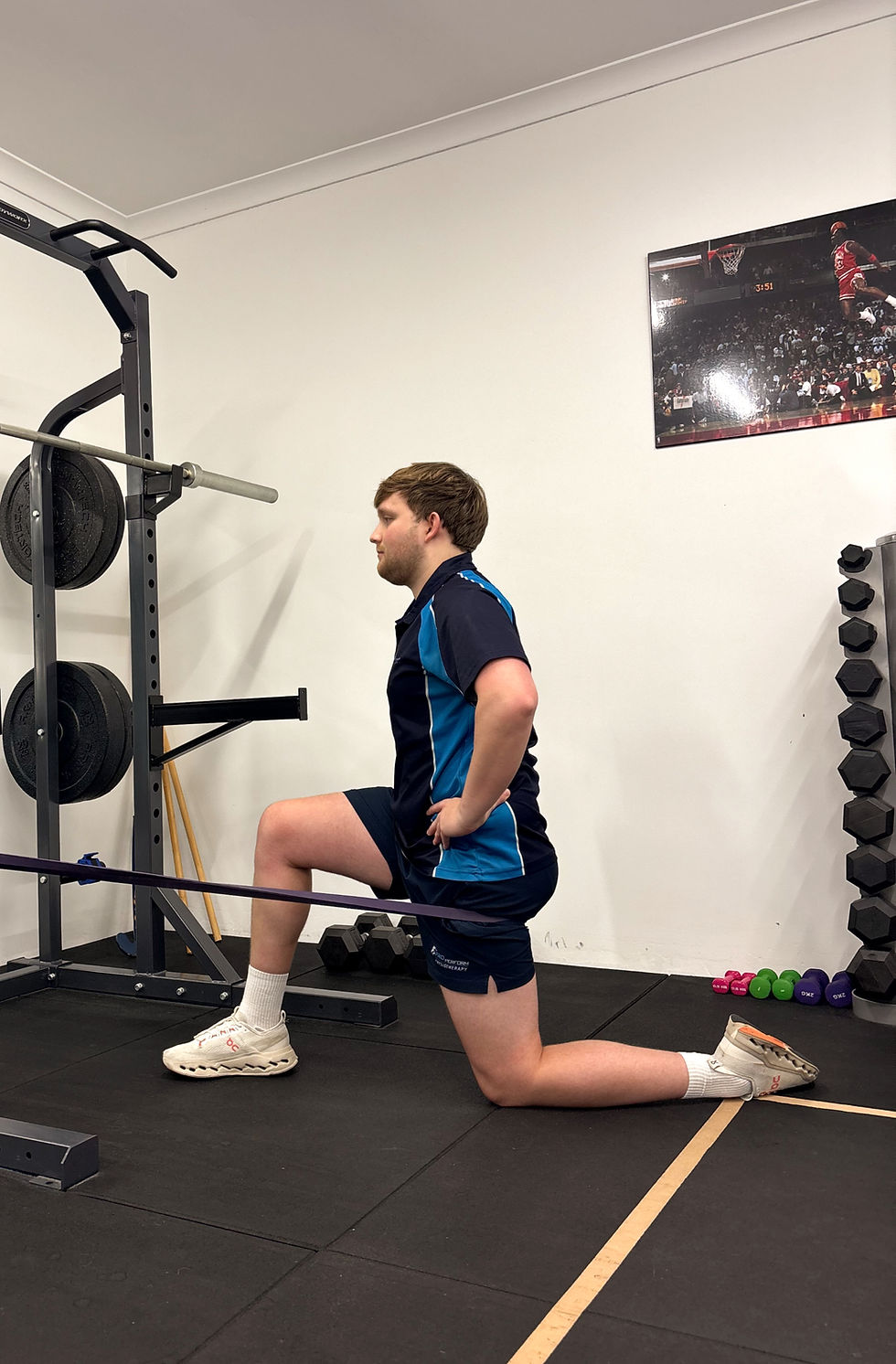
Gluteal Tendinopathy can affect many people for many reasons but our Physiotherapist, Jack, explains how we can help at Pro Perform Physio in Woodvale
What Is It?
Gluteal Tendinopathy is a common cause of outer hip pain, caused by irritation or overload of the gluteal tendons (primarily gluteus medius and gluteus minimus) where they attach to the outside of the hip.
These tendons play a vital role in stabilising the pelvis during walking, running and single-leg activities. When load exceeds the tendon’s capacity - either from overuse or prolonged compression - pain develops on the side of the hip.
Gluteal tendinopathy is sometimes incorrectly referred to as “hip bursitis”, though in many cases the tendon itself is the primary source of pain.
Common Symptoms:
Pain on the outside of the hip
Pain when lying on the affected side
Pain with walking, running or climbing stairs
Discomfort during prolonged standing
Pain when crossing legs or sitting with legs together
Tenderness when pressing on the outer hip
Pain is often worse at night and may gradually increase over time.
What Causes It?
Gluteal Tendinopathy develops when the tendon is exposed to excessive load or prolonged compression. Common contributing factors include:
Sudden increases in walking, running or gym activity
Weakness in the gluteal or hip muscles
Poor pelvic control during single-leg tasks
Prolonged standing with weight shifted onto one hip
Sitting cross-legged frequently
Reduced recovery between exercise sessions
Compression of the tendon - such as lying on the hip or standing with the hip pushed out to the side - can also aggravate symptoms.
Who Does It Affect?
Women aged 40–65 years
Runners and active individuals
People who stand for long periods
Individuals returning to exercise after a break
Those with reduced hip strength or control
It is more common in females due to differences in pelvic anatomy and hip biomechanics.
How Is It Diagnosed?
Gluteal Tendinopathy is typically diagnosed through a clinical physiotherapy assessment, rather than imaging.
During your assessment, we look for:
Pain located on the outside of the hip
Pain when lying on the affected side
Pain with walking, stairs or single-leg loading
Tenderness over the greater trochanter (outer hip bone)
Scans are usually unnecessary unless symptoms are severe, atypical, or are not improving with appropriate rehabilitation.
Physio Assessment: What To Expect?
Our physiotherapists complete a thorough assessment that includes:
Movement & Strength Testing
Single-leg stance assessment
Squatting and step-down testing
Hip abductor strength testing
Pelvic control during walking
Load & Lifestyle Review
Exercise and walking history
Sleep positions
Work and daily activity demands
Excluding Any Other Causes
Hip Osteoarthritis
Lumbar Spine Referral
True Trochanteric Bursitis
Effective Physiotherapist Treatment:
Physiotherapy focuses on reducing pain while improving the tendon’s capacity to tolerate load. Treatment may include:
Load Management:
Modifying aggravating activities
Avoiding compressive positions (e.g. lying on the painful side, crossing legs)
Progressive Strength Training:
Targeted gluteal strengthening
Gradual progression from low-load to functional single-leg exercises
Movement Retraining:
Improving pelvic control during walking and running
Addressing single-leg stability
Education:
Understanding tendon pain
Strategies to reduce night pain
Gradual return-to-activity planning
Manual Therapy:
Soft tissue techniques
Joint mobilisation where appropriate
Cortisone injections may reduce short-term pain but do not address the underlying tendon capacity. Exercise-based rehabilitation provides more sustainable long-term outcomes.
Recovery Timeframes:
Most people begin noticing improvement within 4–8 weeks of structured physiotherapy treatment. Full recovery typically takes 8–16 weeks, depending on symptom duration and consistency with rehabilitation. Long-standing or chronic cases may require 3–6 months for full resolution.
Local Physiotherapy In Woodvale
If you live in Woodvale, Kingsley or the surrounding suburbs and are experiencing any of these symptoms or pain in your hips, our physiotherapists can help you get back to comfortable, confident movement.
Take The First Step
Book an appointment at Pro Perform Physiotherapy in Woodvale for expert assessment and treatment. Call us on (08) 9309 3166 or book an appointment online today.


Comments